
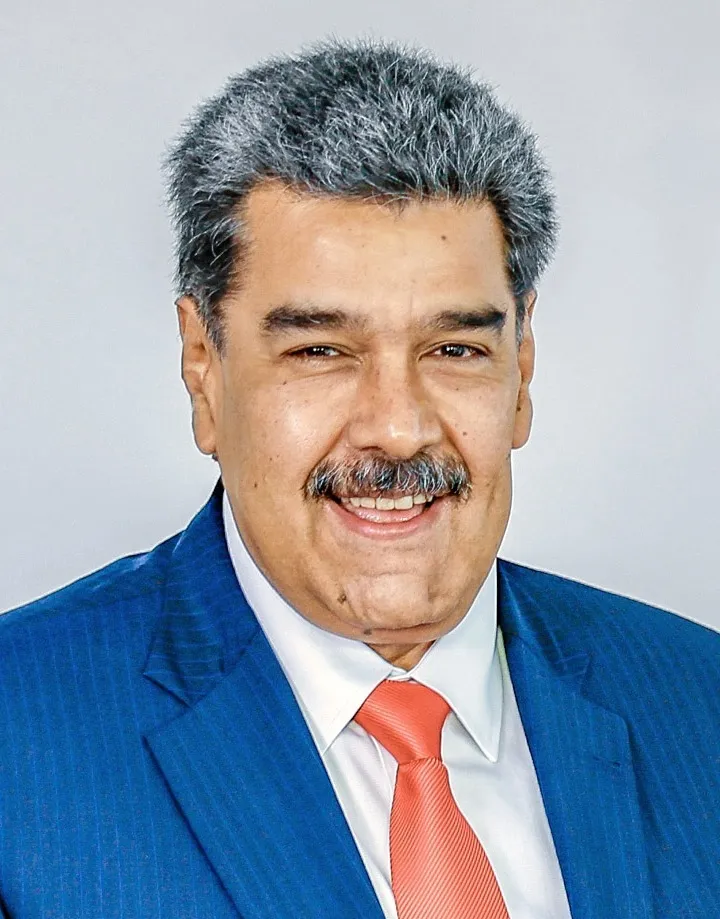
The President, on Tuesday, in remarks to reporters at Mar-a-Lago, addressed the standoff with the Venezuelan leader. The administration had, on November 21, in a phone call, communicated an ultimatum: the leader was to depart Venezuela with his family by November 28 or face additional pressure. The November 28 deadline passed without the leader’s departure. The leader’s communicated position, on the eve of the deadline, was that he would consider departure only on terms that included sanctions relief, the dismissal of the International Criminal Court prosecution, and a transitional government led by his vice president.
The President’s remarks Tuesday extended the deadline implicitly while elevating the rhetoric. He said the Venezuelan leader should not, in the President’s phrasing, play tough. He said that if he does, it will be the last time he is ever able to play tough.
The remarks, on the diplomatic record, do four things at once.
They warn the Venezuelan leader. They communicate, to the regional partners watching, the absence of a settled policy. They frame the question as one of personal will between two men. And they generate, within the Venezuelan domestic information environment, exactly the kind of nationalist material the leader’s regime has historically used to consolidate.
The U.S. naval posture, on the public record, has tightened. The Caribbean Joint Task Force is at sea. The Venezuelan oil-export blockade is functioning. The CIA, by separate reporting earlier in the month, conducted a drone strike on a port facility on the Venezuelan coast. The administration has, on the record, characterized the Venezuelan government as a narcoterrorism regime. The administration has not, on the public record, articulated the war powers theory by which the U.S. is authorized to take direct kinetic action against a state that is not, formally, at war with the United States.
The leaders of Russia and China, the same week, issued statements of support for the Venezuelan leader. The statements were boilerplate. The signal, in the diplomatic vocabulary, was nonetheless transmitted. Russia and China, in the regional dance, are now visibly on the other side of the Caribbean question. The dance partners on this side, in the same vocabulary, did not include the largest South American partner-states, none of whom, at the time of writing, have publicly endorsed the U.S. position.
A serious country, when it sets a deadline that passes, does not extend the deadline by way of a don’t play tough warning. It either withdraws the deadline or executes on it. The country, on Tuesday, did neither. The Venezuelan leader, on Tuesday, was still there.
Calmly documenting the decline.
The breakdown.
- Factual basis The remarks, the deadline, and the Russian and Chinese statements are on the record.11/25
- Self-awareness The deadline was set by the administration; the deadline passed.5/20
- Staff containment The State and Defense departments are operating to the President's framing.8/20
- Recovery attempt None offered.5/15
- Public spectacle Front of every Caribbean and Latin American desk.11/20
Was this dumb enough?
Members can adjust the score. Become a member.